616.656.5550
 Kentwood, MI


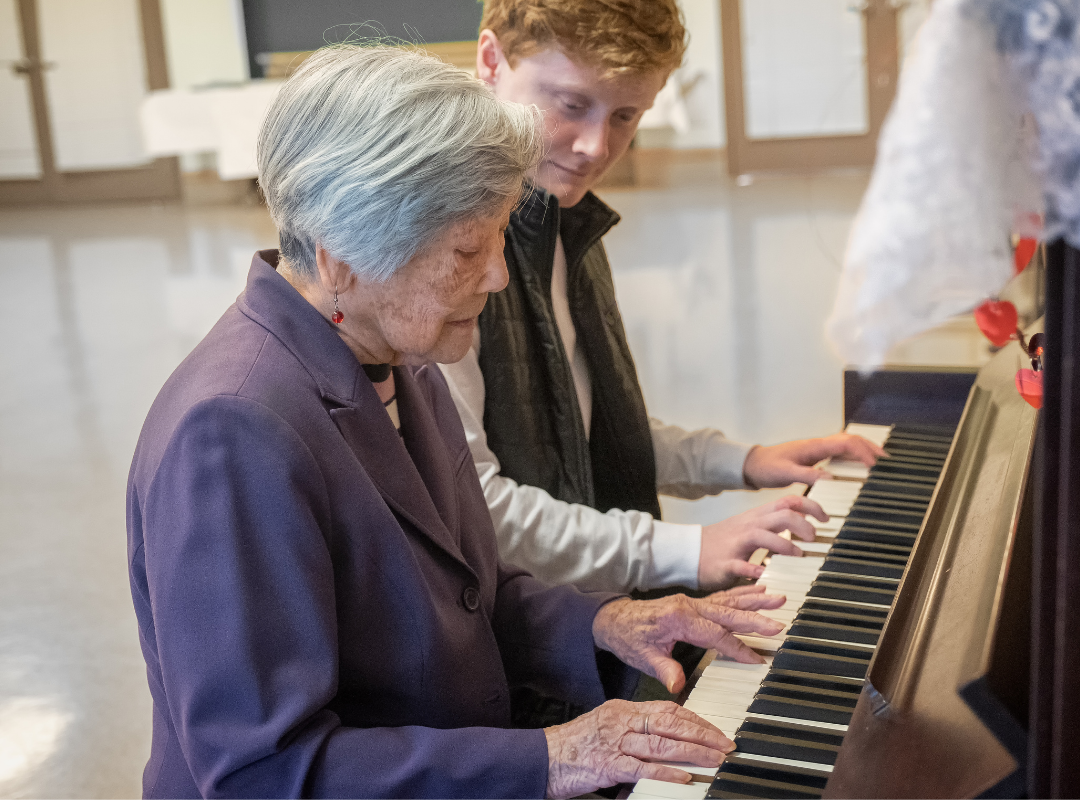
Music therapy for seniors uses familiar songs, rhythm, listening, singing, and music-based activities to support mood, memory, connection, and daily engagement. For many older adults and families, music can bring moments of recognition, calm, joy, and shared conversation in a way that feels natural and personal.
At Walnut Ridge Assisted Living & Memory Care in Kentwood, MI, music can fit into a larger lifestyle of connection, care, and meaningful routines. Whether your loved one enjoys live music, films with community members, special events, or quiet moments with familiar songs, music can be one way to support daily life with warmth and purpose.
What Is Music Therapy for Seniors?
Music therapy for seniors is the use of songs, rhythm, listening, singing, and other music-based activities to support mood, memory, engagement, and connection. Formal music therapy is guided by a qualified professional, and the American Music Therapy Association describes it as the clinical and evidence-based use of music interventions to support individualized goals.
For families exploring Assisted Living and Memory Care, music can also be part of a broader care setting. It does not replace care or medical support, but it may help create meaningful moments during daily routines, visits, and group activities.
Benefits of Music Therapy for Seniors in Daily Life
The benefits of music therapy for seniors often center on connection, routine, and emotional engagement. A familiar song may invite a smile, a memory, a conversation, or a calming moment during the day.
The National Institute on Aging encourages older adults to stay connected with activities they enjoy as they age. Music can fit naturally into that kind of routine, especially when it is paired with shared activities, creative expression, or familiar moments with family and friends.
Music Therapy for Elderly Patients With Dementia: What Families Should Know
Music therapy for elderly patients with dementia may be especially meaningful when songs are familiar and tied to personal memories. The Alzheimer’s Association reports that more than 7 million Americans are living with Alzheimer’s, which is one reason many families look for supportive, person-centered ways to encourage connection.
For example, an adult child may notice that a parent becomes more relaxed during a visit when a favorite song is playing. In a Memory Care setting, music can work alongside daily support such as grooming assistance, help dressing, dining-related assistance, mobility assistance, and 24-hour medical care and assistance. Families comparing care settings may also find Assisted Living With Memory Care for Kentwood, MI, Families useful as a related next read.
Music Therapy Interventions for Older Adults: At Home and in Community Life
Music therapy interventions for older adults can be simple, personal, and flexible. The best activity often depends on what the person enjoys, what feels familiar, and whether they prefer quiet time or shared group experiences.
| Music-Based Activity | How It May Support Seniors | Best Setting | Family or Caregiver Tip |
| Listening to familiar songs | May support calm, recognition, and connection | Home or community setting | Choose songs tied to meaningful life moments |
| Singing along | May encourage participation and expression | One-on-one or group activity | Keep it relaxed and pressure-free |
| Gentle movement with music | May support engagement during an activity | Supervised activity setting | Match the pace to the person’s comfort |
| Live music or group music events | May support social connection | Community setting | Notice which songs or styles bring a positive response |
| Music with art, crafting, or games | May make activities feel more enjoyable | Activity room or shared space | Pair music with familiar hobbies when possible |
At Walnut Ridge, music may naturally connect with activities such as live music, crafting, art and fitness classes, communal games, films, and special events. Families can also explore community amenities and activities to better understand how daily engagement is supported.
Finding Music Therapy for Seniors Near Me in Kentwood, MI
If you are searching for music therapy for seniors near me or music therapy for dementia near me, it helps to look beyond the activity itself. Families often want a setting where music, care, daily routines, and social connection all work together.
Walnut Ridge Assisted Living & Memory Care is located at 4352 Breton Rd. SE Kentwood, MI 49512. For families nearby, location can make visits, conversations, and shared activities easier to maintain over time.

How to Choose the Best Music Therapy for Seniors
The best music therapy for seniors depends on the person, not a single activity or playlist. A loved one may enjoy quiet listening, live music, songs from earlier years, singing with others, or music during calm parts of the day.
Questions Families Can Ask
As you compare options, think about what helps your loved one feel most engaged and at ease. Helpful questions may include:
- Does your loved one respond best to familiar songs, live music, or quiet listening?
- Are music-based activities part of regular community life?
- How does the setting support residents with memory care needs?
- Can family members share favorite songs or meaningful music preferences?
If you are unsure what level of support may fit your loved one, a personal conversation with the care team can help you talk through current needs and daily preferences.
Supporting Mood, Memory, and Meaningful Moments at Walnut Ridge
Music is most meaningful when it fits into a larger rhythm of care, activity, and connection. At Walnut Ridge Assisted Living & Memory Care, Assisted Living and Memory Care are supported by opportunities for engagement such as live music, films, special events, crafting, communal games, dining, and other meaningful daily experiences.
If you are exploring care options for someone you love, seeing the setting in person can bring clarity. You can schedule a tour or contact the team to ask questions and learn how daily life may support mood, memory, and connection.
Frequently Asked Questions
What activities are offered in senior living?
Activities offered in senior living often include social events, creative programs, fitness, faith-based gatherings, dining experiences, and group games. At Walnut Ridge, activities may include birthday celebrations, trips outside of the premises, live music, films, gardening, crafting, art and fitness classes, Bible study, religious observance events, bingo, and dining. These activities help residents stay engaged in ways that match their interests and comfort level. Families can ask about current activities when they visit or contact the community.
What are some good activities for seniors?
How to do music therapy for the elderly?
You can begin music therapy for the elderly by choosing songs that feel familiar and meaningful to the person. Try quiet listening, singing together, gentle rhythm, or playing music during daily routines. Keep the experience calm, simple, and pressure-free. If formal music therapy is needed, families may want guidance from a trained professional.
What should a 70-year-old be doing every day at home?
A 70-year-old may benefit from a daily routine that includes meals, movement, rest, social connection, and meaningful activities. Music, crafting, gardening, games, or simple hobbies can help the day feel more engaging. The right routine depends on the person’s abilities, preferences, and care needs. Families should choose activities that feel safe, enjoyable, and manageable.
What is the 90-second rule for dementia?
The 90-second rule for dementia is a term families may hear in dementia care conversations. Since meanings can vary, it should be explained only with trusted guidance from a qualified dementia care professional. Families should avoid relying on unclear terms without understanding how they apply to their loved one. For daily care, clear routines, patience, and familiar activities such as music can help support connection.
Can you do music therapy on your own?
Yes, families can use music-based activities at home in simple ways. You might play familiar songs, sing together, create a playlist, or use music during calm parts of the day. These activities can support connection and engagement, even when they are not formal therapy. Formal music therapy may involve a trained professional, while everyday music can still be meaningful in daily life.
My brother is a resident of Walnut Ridge in Kentwood, MI. I have to say that the caring and kind staff are the best. They really do care about all the residents, they treat them as they would their own family! My brother is so happy about his environment! Thank you Walnut Ridge in Kentwood for all the kindness!
Mary Isenbek